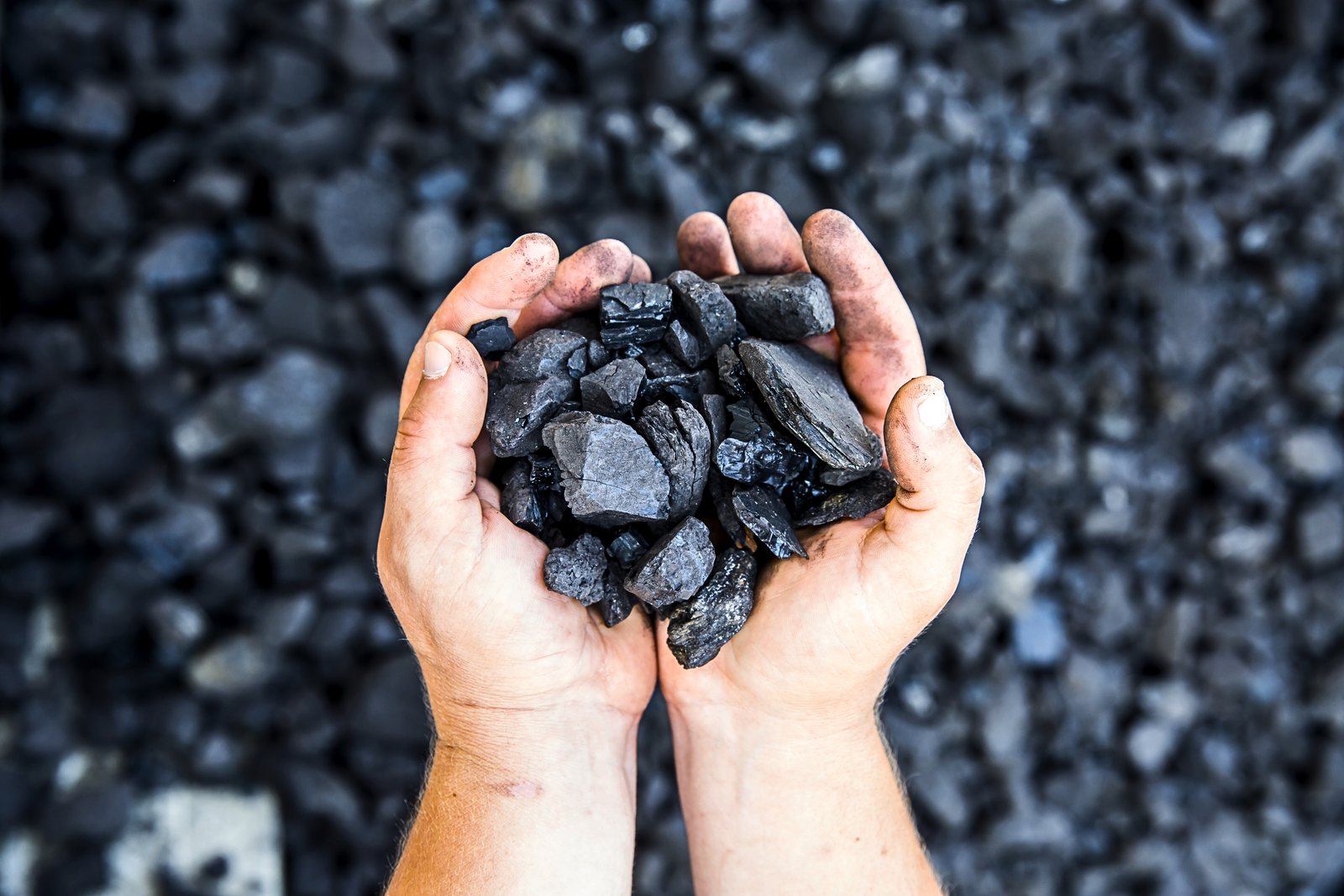
Biochar
Good for soil & climate
Biochar is a natural soil improver that stores nutrients, protects the climate and permanently improves fertility. It is made from regional biomass – CO₂-neutral and sustainable.
What is biochar?
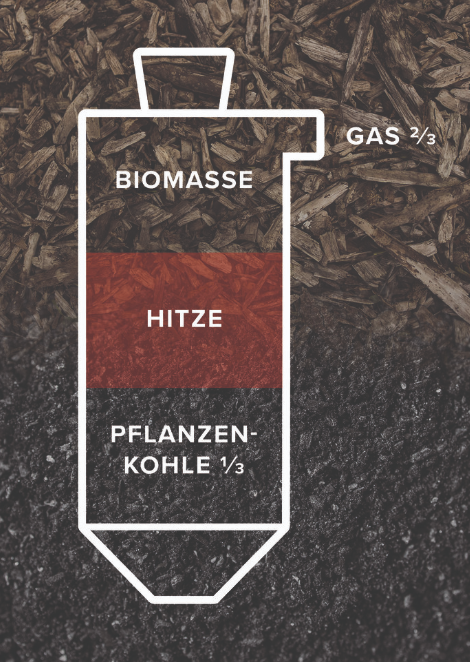
Biochar is produced from plant biomass – for example from wood residues – through a process called pyrolysis. The material is carbonised at high temperatures in the absence of oxygen. The resulting charcoal is stable, low in nutrients and extremely porous – and that is what makes it so valuable for soil, environment and climate.
Why biochar?
- Climate protection: Binds CO₂ permanently in the soil
- More yield: Better soil structure and nutrient supply
- Less fertiliser: Stores nutrients where plants need them
- Save water: Higher water storage capacity, especially in drought
- Healthier animals: In bedding, it reduces odours and improves the barn climate
- Less nitrate in the groundwater: Environmentally friendly nutrient binding
Where is biochar used?
- In agriculture: As a soil improver, mixed with slurry or compost
- In animal husbandry: In feed and bedding – for more animal welfare
- In biogas plants: Stabilises the process, increases the methane yield
Sustainable production
Our biochar is produced from untreated wood chips from sustainably managed forests. The production process is energy-efficient and uses the heat generated for energy production, which further reduces the CO₂ footprint.
Would you like to learn more about the use of biochar? Our team will be happy to advise you individually.
Contact us by phone or via the contact form: